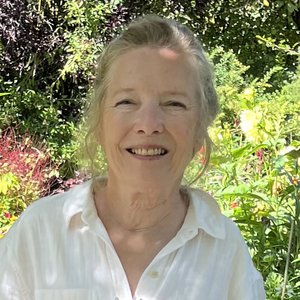
Recently, I attended the Ridges to Rivers Book Festival and met Lynne M. Kolze, author of Please Write.
Because we lived far from our families, I communicated with them with pen and paper for years. After reading Please Write, I felt this book knocked me on the head. How did the norm of NOT writing letters become so acceptable to me? I then felt tremendous regret and profound personal loss for the years that had passed without writing letters.
Yes, I do enjoy the convenience of modern technology, but as Kolze points out in her book, we have grown accustomed to the instant gratification of text and email. I certainly have. Historically, she notes, with the popular use of the telephone in the 1940s, there was a decline in writing letters. Our modern-day technology has sped that process even more. Letter writing has become a dying art and an unpracticed form of communication.
Kolze wrote, “If we want the art of letter writing to survive, we must fall in love again with the beauty and imperfections of the handwritten word.”
In Please Write, Kolze is passionate and devoted as she encourages us to fall in love again with writing letters. She connects us to the past with the history of letters, the inventions of paper and other materials, the art of stamps and their hidden meanings during Victorian times, the romance in letters, and the stories passed on to future generations.
Kolze beautifully illustrates how letters, beyond their historical significance, have the power to forge deep connections. They have built relationships, bridged distances, and offered comfort in times of war. They are a testament to the enduring power of human connection.
Letter writing not only harbors historical benefits, but there are also mental and physical health benefits to handwritten letters for those who suffer from loneliness, depression, and emotional issues. Kolze points out that it is not only the recipients of the letters, but they also have beneficial contributions to the mental well-being of those who write the letters. Either way, handwritten letters are therapeutic.
I had forgotten about Pen Pals until I read about the benefits of having one in Please Write. I had a Pen Pal in junior high, Junko, who was from Japan. She decorated her letters with wonderful drawings. Her letters were the perfect example—creative and artful. Did you have a pen pal?
Kolze brings to our attention a negative aspect of letter writing. For example, the Dear John/Jane letters mailed to the recipient are the bearers of hurt and rejection. I experienced the heartbreak of one of those letters. Then, there are also letters written in anger, unkind words, and unforgiveness, which leave the recipient feeling crushed and unloved. We do recover from those, too, but it takes a while.
There have been letters sent by carrier pigeons or tossed in the ocean in bottles. It was fun to read Kolze’s research on those stories.
I also thought about our letter carriers; I bet they tire of delivering junk mail. Delivering handwritten words filled with stories, affirmation, and love would make their jobs more satisfying because “letters feed our hearts and minds,” says Kolze.
I highly recommend reading Please Write, and hope Lynne M. Kolze encourages you as she did for me. I know someone you love would love to receive a letter from you. Please share if you recently received a letter or mailed one to someone.